
Nano and Biotechnology
Integration between nature, science and technology
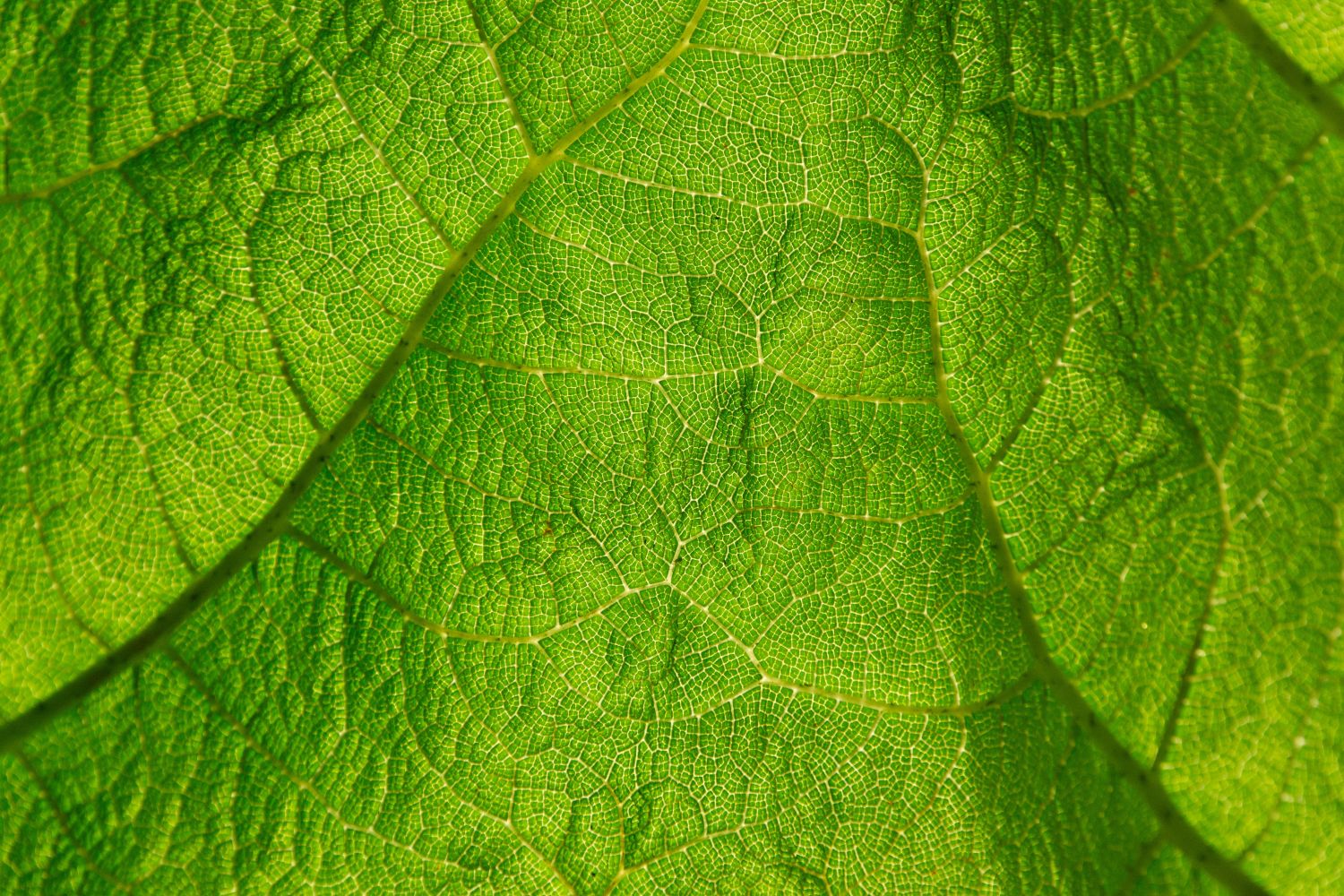
For NaBioTech, the integration of biotechnology and nanotechnology represents a high-potential area of research and development. The goal is to enhance processes already present in nature by studying them, selecting them and making them applicable in a controlled manner across various sectors: agriculture, livestock farming and the environment.
Biotechnology allows us to work with natural components and selected microorganisms, while nanotechnology allows us to modify the characteristics of materials and surfaces, improving their effectiveness, stability, interaction and functionality.
Research topics
Nano and biotechnology
Nature, science, biotechnology and nanotechnology
01Biotechnology: From Nature to Science
Biotechnology is based on the use of natural processes that are part of the environmental balance and life cycles of organisms. NaBioTech works with naturally occurring components, selected and designed to promote useful, controllable and reproducible biological processes. The components used include:
- microorganisms, such as bacteria, yeasts and microscopic fungi;
- enzymes, proteins, poly and oligopeptides;
- microelements and mineral salts;
- plant extracts.
These elements are used according to technical and scientific criteria, with attention to their origin, compatibility with the application environment and their ability to perform a specific function.
The selected microorganisms are non-GMO, Class I (safe for humans, the environment and animals) and are commonly found in various natural environments. This reduces the risk of introducing foreign organisms and promotes more consistent use in the contexts in which the products are applied.
Growing microorganisms in conditions close to those in use also allows for reduced adaptation times, promotes greater efficacy and contributes to a more stable and prolonged action.
02Nanotechnology: From the small to the useful
Nanotechnology studies the behavior of materials at extremely small dimensions, where structure and size can significantly alter their properties. At the nanometer level, some materials can acquire specific characteristics in terms of:
- mechanical resistance,
- chemical reactivity,
- thermal stability,
- impermeability and permeability,
- electrical conductivity,
- compatibility and absorption capacity
- superficial superficiality
These properties open up application possibilities in many fields, including biological and environmental ones, where nanomaterials can help improve the efficiency of certain processes.
The use of nanostructures, alone or in combination with other components, can support natural processes by making them more effective, rapid and controllable, with the aim of contributing to reducing the environmental impact.
03Applications and development
The combination of biotechnology and nanotechnology allows NaBioTech to develop solutions geared towards specific functionalities, application stability, and improved performance. This approach allows us to work on products and formulations designed for real-world use, with careful attention to component selection, their interaction and consistency with the needs of the various sectors served.
Research, laboratories, and manufacturing expertise enable us to transform scientific knowledge into applicable solutions, maintaining a balance between innovation, control and respect for natural processes.



Have questions? Talk to the right person.
Choose your area of interest and we'll connect you with the right person to answer your question.